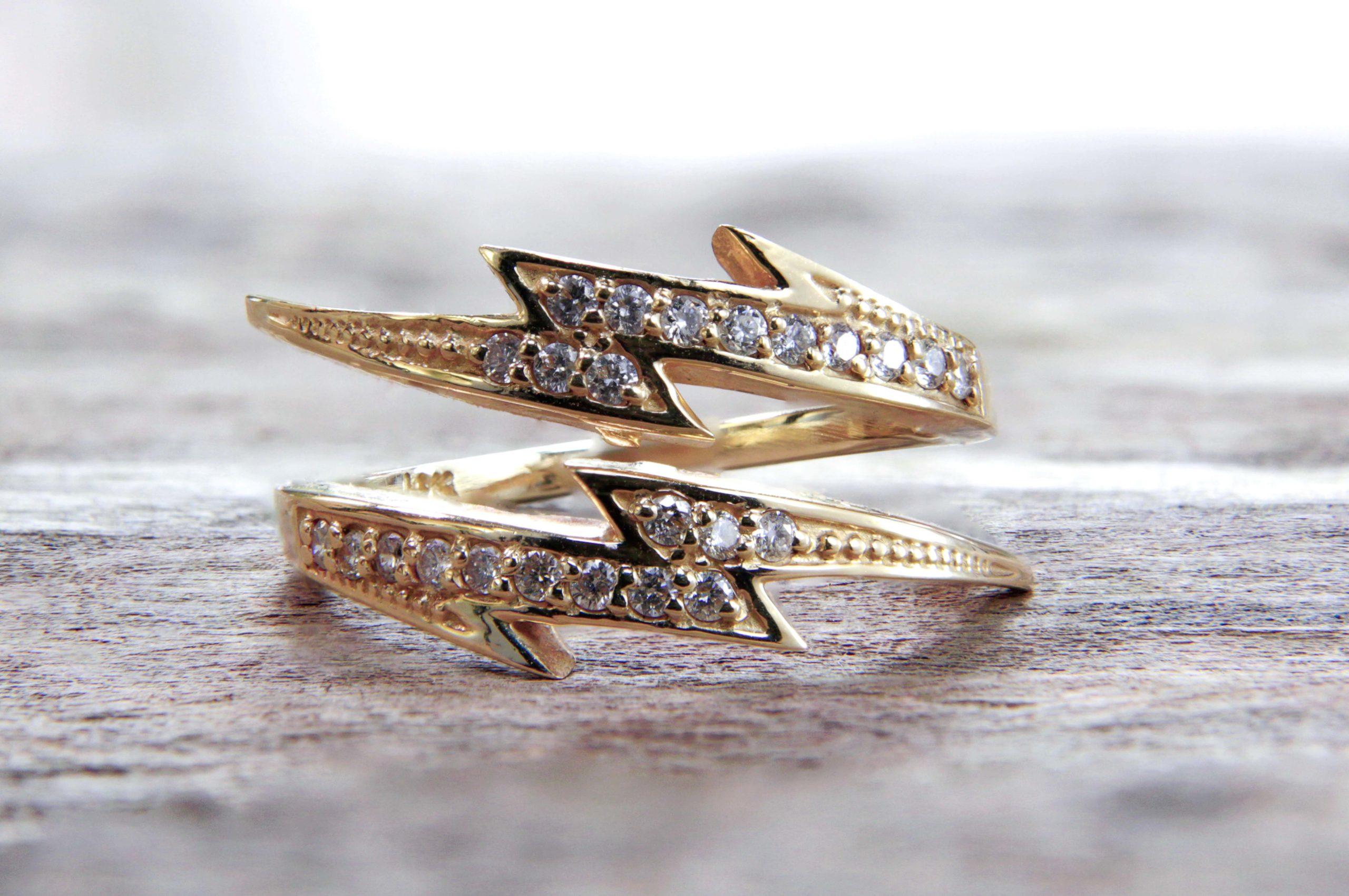
Fashion & Jewelry is commercial image systems proof. The point is not to preserve an artifact for its own sake. The point is to show the decision system behind the work so a reader can understand what was made, what it solved, and what smarter question the work helps them ask next.
Who this helps
This article is for fashion-adjacent brands, jewelry makers, stylists, optical brands, product teams, and creative leads. It is written for readers who need practical judgment, not generic inspiration or a loose portfolio caption.
The real problem
Fashion and jewelry visuals can become technically sharp but emotionally dead, or atmospheric but unclear about the product.
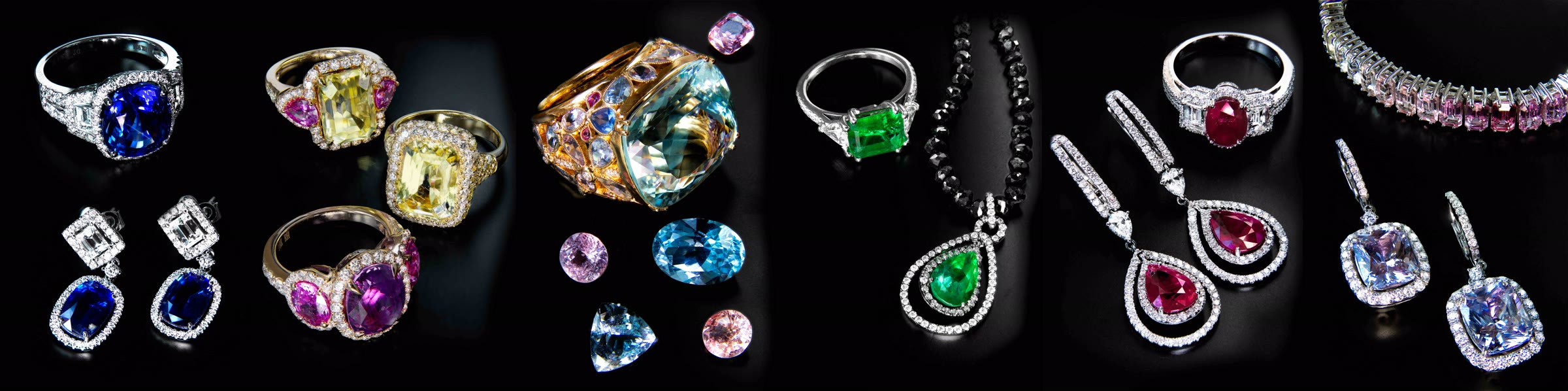
The production record matters because it gives the lesson something concrete to stand on. Commercial visuals have to do more than look clean. Product stills, jewelry details, glossy glass, reflective surfaces, and portrait styling all have to control attention, explain value quickly, and give the viewer a smarter way to understand the offer.
The smarter question
What does this frame need to make the viewer understand, feel, or trust faster?
Glossy glass and focus stacking solve different problems
Glossy glass belongs to emotional close-up language: old-Hollywood softness, diffusion, and flattering human presence. Focus stacking belongs to macro/product detail: solving depth-of-field limits through capture method instead of buying around the problem.
Work smart, not hard
The system is to define the perception problem first, then choose the smallest reliable mix of optical feel, macro control, reflection management, and publishing context.
Working smart means choosing the method that solves the real problem with the least unnecessary complexity. It also means creating material that can keep working after the original shoot, edit, campaign, or article is finished.
What this proves
This proves commercial visual direction as a decision system, not a gear list or a gallery.
Questions this page should help you ask
Do we need the image to flatter the person, clarify the product, or both?
That answer changes the technique. A human close-up may need diffusion or softer glass to control emotional tone. A jewelry detail may need macro discipline, focus control, and reflection management.
Are we solving a product problem or buying around it?
Before adding bulky single-purpose tools, ask whether the current camera system can solve the issue through focus stacking, better support, controlled light, cleaner angles, or a tighter capture sequence.
Where does this image need to keep working after the shoot?
A strong still should support more than one post. It can strengthen a web page, campaign sequence, product story, sales deck, brand guide, or social system when it is captured with that future use in mind.
Next: review Proof records, read Website Direction, or move to For Brands for implementation context.